
What a sound bath taught me about the nervous system I keep forgetting to tend
I went to a cacao ceremony this weekend.
There was a sound bath, and journaling, and a room full of people setting intentions. I went in curious, a little tired, not expecting much beyond a nice couple of hours.
And then I was lying there on the floor, letting the sound move through me, and something occurred to me that I did not particularly enjoy noticing.
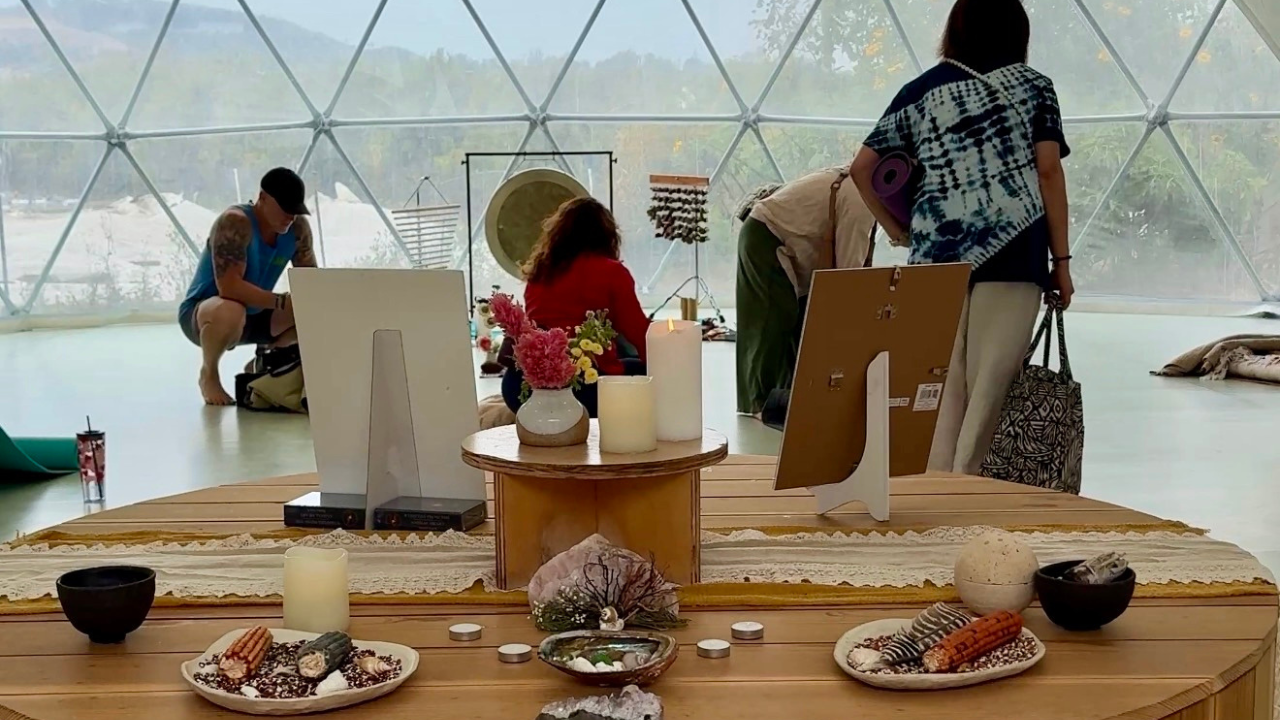
I could not remember the last time I had done something like this for myself.
Not a treatment. Not a class I was teaching. Not a thing I was leading or holding or facilitating for someone else. Just something I received. My morning walk is genuinely good for me, and it is about the only thing on the list. That was the whole list.
If you are reading this, there is a decent chance you know exactly what I am talking about.
The people who care for everyone
We are the ones people come to when they cannot sleep. When their back hurts. When they are so wound up they cannot sit still. We hold the space, we regulate the room, we make it safe for someone else to finally let their guard down.
And a lot of us go home and do absolutely none of that for ourselves.
It is not laziness. It is not even really a scheduling problem. It is that caring for others is so much more familiar than being cared for. We know the choreography. Receiving is the part we never learned.
And this is not just a practitioner thing. It is caregivers. It is mothers. It is the person in every family who quietly holds the whole thing together and never once gets asked how they are doing. If you are the one who always holds it, you probably have not been held in a while.
Here is the clinical problem with that
Your nervous system is not an accessory to your work. It is the instrument you work with.
When you are running on empty, in that low, humming state of sympathetic overdrive that so many of us just call "normal," you cannot regulate anyone. A body that is guarded and braced cannot help another body unbrace. Calm is contagious, but so is dysregulation, and clients feel the difference even when they cannot name it.
We talk endlessly about settling the client's nervous system. Almost nobody talks about settling your own first.
So consider this your permission slip, if you needed one.
The thing that happened at Yintang
Here is the part I want to tell you about.
I was lying there, sound moving through the room, and I started feeling this intense sensation right between my eyebrows. Not painful. Just alive. A pressure, a buzzing, a distinct sense of something opening.
That spot has a name. It is Yintang, sometimes called the "hall of impression," and it sits right between the brows, in the little dip where you would rest a finger if you were exhausted and rubbing your forehead. (Which, tellingly, is exactly what people do when they are overwhelmed. The body knows.)
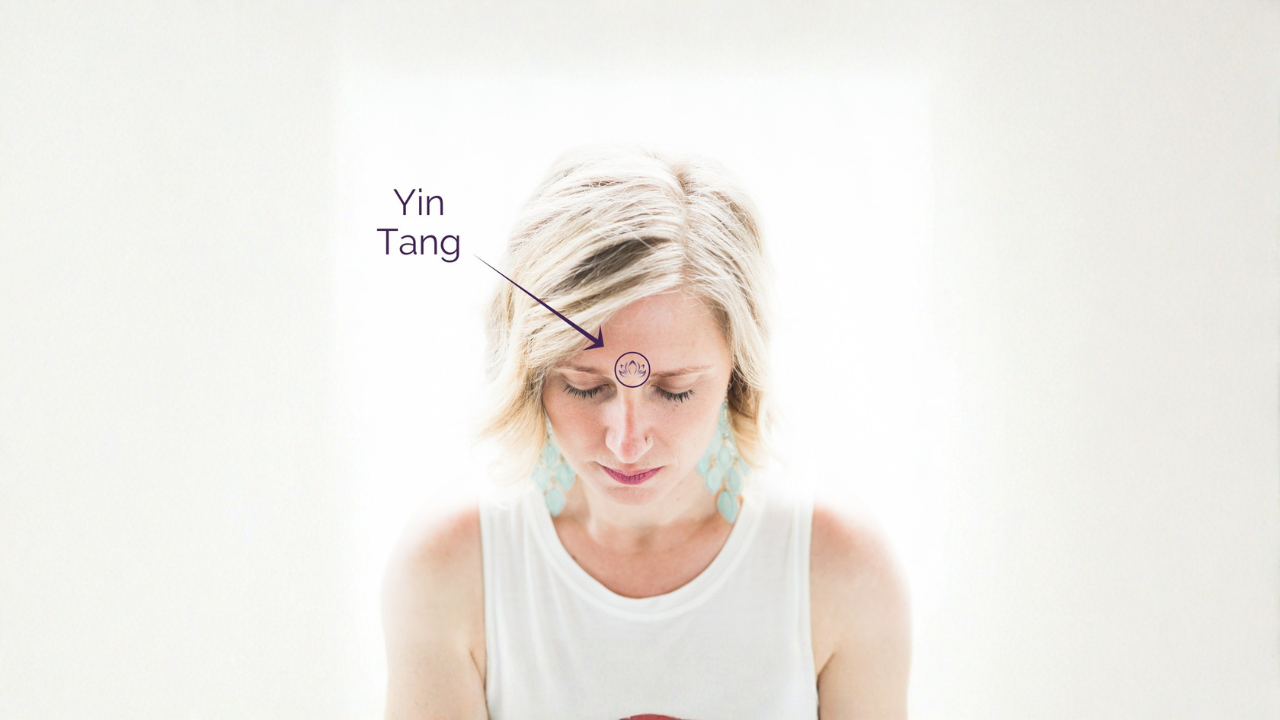
Yintang is one of the most reliable calming points we have. It quiets a racing mind, softens anxiety, settles the spirit, and helps a wired system drop down into rest. In Chinese medicine, it is where we go when the mind will not stop spinning.
And lying there with my whole forehead buzzing, my one clear thought was: I really wish I had my lavender with me right now.
Because that is the pairing. That is exactly what I would have reached for.
Yintang and lavender
Lavender is the oil almost everyone already knows, and I think that familiarity makes us underrate it. It is genuinely one of the best calming oils there is. It slows things down, softens the edges, and helps an overstimulated system stop bracing.
Put lavender on Yintang and the two do the same job from two directions. The point calms the spirit. The oil calms the spirit. Together they are more than either one alone.
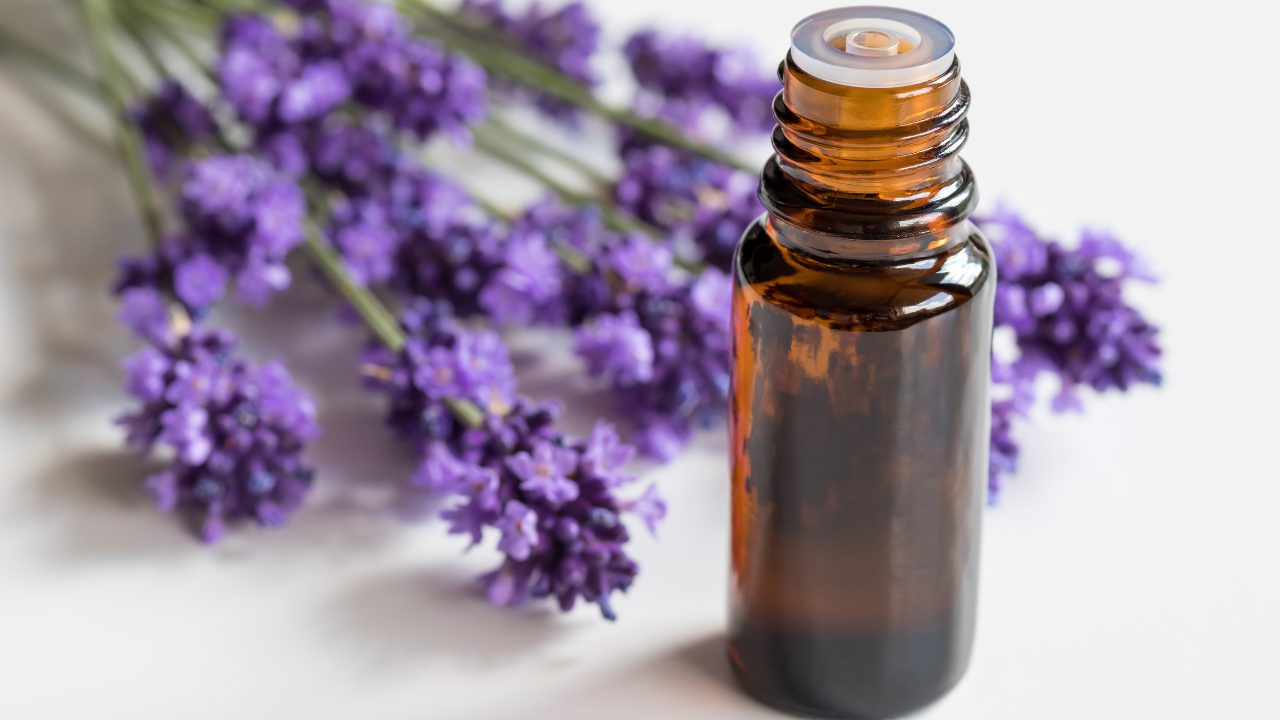
Here is how to do it:
Find Yintang, right between your eyebrows, in that little indent. Put one drop of diluted lavender essential oil on the point. Then hold it. Gentle contact, no pressing, no tapping. Just rest your fingertip there and let the oil settle in.
Then breathe. Slowly. Give it a full minute if you can, longer if it feels good.
That is it. That is the whole thing. It takes sixty seconds, it costs almost nothing, and it works.
The actual assignment
Use it on your clients. It is a beautiful way to open a session, especially with someone who arrives wound up and cannot drop in. Settle their system first, and everything you do afterward lands better.
But that is not the assignment.
The assignment is to use it on yourself. Tonight, maybe. Before you open your laptop again, or after the last client leaves, or when you finally sit down and realize how tightly you have been holding your own shoulders all day.
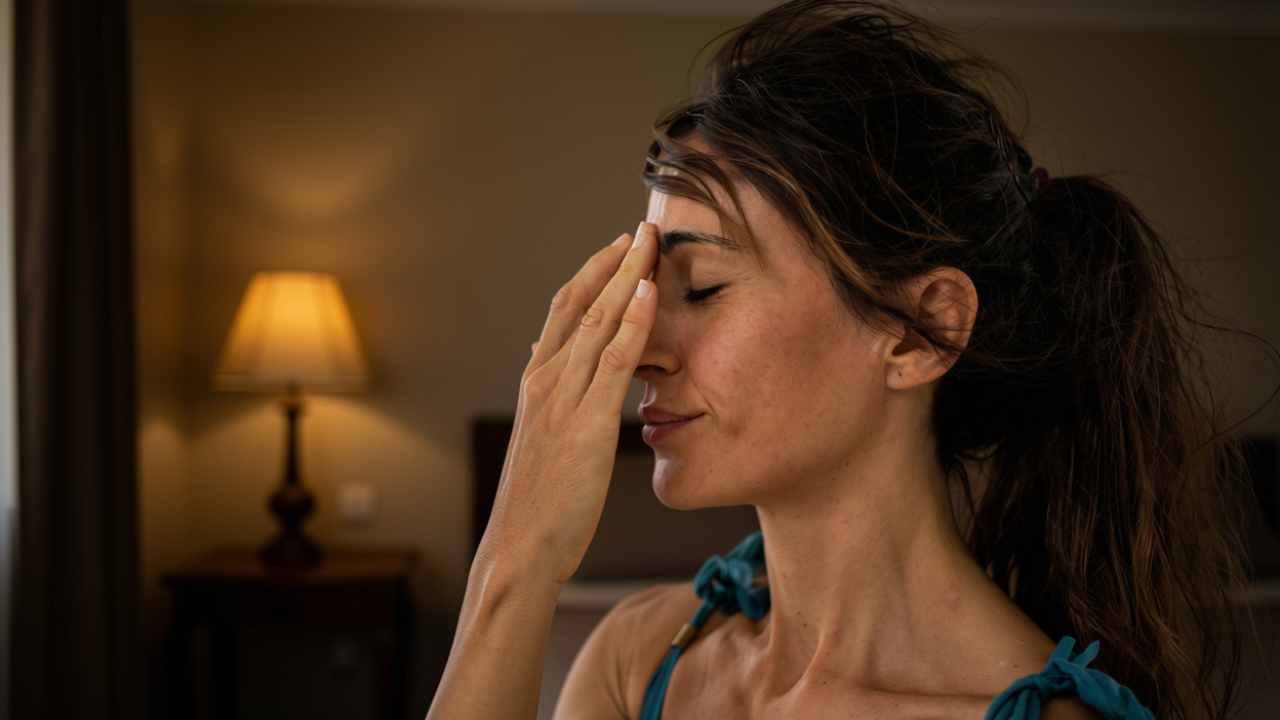
And here is the one I would really encourage: use it before a day of clients. Sixty seconds and a drop of lavender before you open the door, before the first person arrives, before you start absorbing everyone else's day. You are about to ask your nervous system to hold space for hours. Settle it first, and you walk in steady instead of scrambling to catch up.
Because here is the thing I actually took home from that sound bath, and it was not a technique. It was a question, and I would like to pass it to you:
How often do you actually take care of yourself?
Not your clients. Not your family. You.
If the honest answer is "not much," you are not alone, and you are not failing. You just belong to a whole tribe of people who are extremely good at pouring and out of practice at receiving.
Start with sixty seconds and one drop of lavender.
You are allowed to be the one who gets taken care of, too.
Join The Essential Oil Acupoint Masterclass Today
....................
Unlock the Power of Essential Oils & Acupoints to Amplify Client Results and Grow Your Income
Author
